
I was seventeen and the youngest anesthesia technician in the ORs, three weeks into my training, when we had a code. The patient was bleeding heavily from several places, the blood loss had taken their pulse, and CPR had started. My trainer, a seasoned anesthesia tech on his way to becoming a CRNA who had seen this many times, turned to me and told me to gown up, glove up, and grab a mask with a face shield.
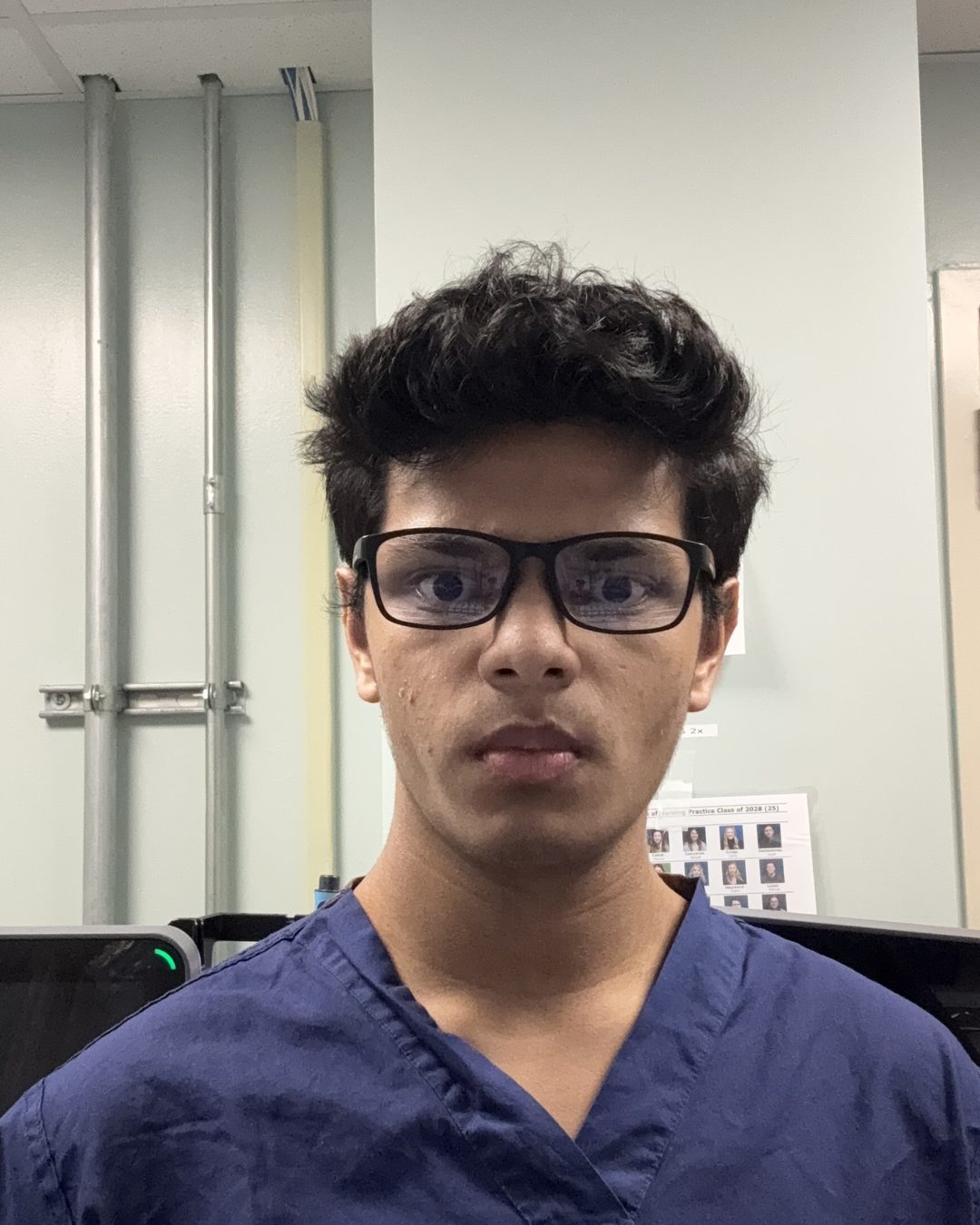
I hesitated and said something like "I'm not ready for this." He said, more or less, "You're solid. It's now or never." So I gowned up. My hands were shaking so badly I could barely get the gloves on.
I was trembling to the point that I could feel my heart shaking. The only CPR I had ever done was on dummies, never in a real hospital code. Then my trainer told the nurses rotating on compressions to step aside, pointed at me, and said, "You're up next. Get ready."
I looked at him, nervous and confused, but there was no time to be afraid.
I stepped forward, still shaking, and started compressions on someone fighting for their life. Around me, residents, nurses, anesthesiologists and attendings moved in a blur: intubating, placing lines, calling for tools. My mind was racing and my body was running on adrenaline. In my head I was reciting every prayer I knew from the Quran.
Two minutes later I heard "Stop compressions" and stepped back. My gown and double gloves were stained with blood and sweat, and my face shield was fogged from my own breathing. My hands were still shaking. After the next round of compressions, the pulse came back.
That night my trainer told me, "Your form was perfect on those compressions." I was still trying to take in what I had just done and where I had just been.
I won't forget the thoughts I had that night, from changing out of my scrubs to the whole drive home with shaky hands and a racing heart. I went to bed asking myself hard questions. Do I really want to do medicine? What if I make a mistake?
But the next morning I caught myself smiling while I brushed my teeth. I couldn't hold it in. It wasn't the kind of happiness that comes from winning something. It was knowing I had been part of saving someone's life. I wasn't the most important person in that room. I understood maybe an eighth of the words being said. But I got to help a team of determined people do the most important thing there is, and that was enough to answer the questions I'd gone to sleep with. I found meaning and purpose in the work.
This job is unpredictable, intense and humbling. Every day at a Level 1 trauma center makes me value life more than I ever have, and it has shown me why it takes so many years of training to become someone who takes care of people.